About
How a Civic Threads piece comes together.
We started Civic Threads because “ethically made” had turned into a label, not a fact. So every piece we sell carries its own paper trail — where the material came from, who cut and sewed it, and exactly where the price tag went. Below, we walk through that process using one real piece, The Field Jacket, start to finish.
Step 1 — Material sourcing
Where the cloth comes from
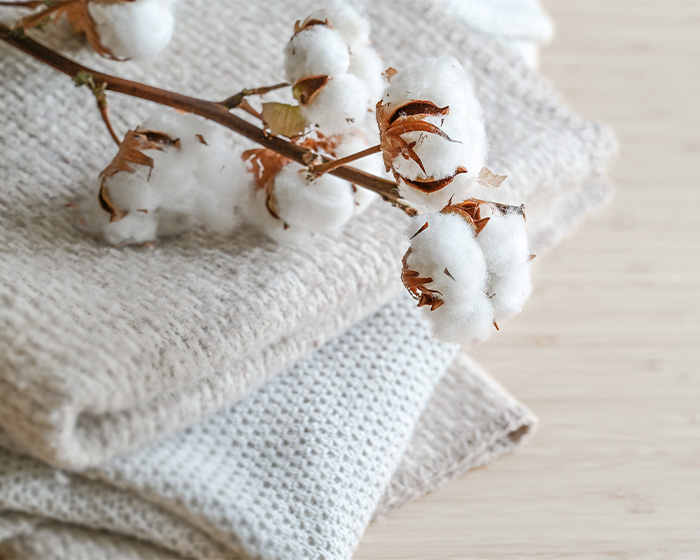
Long-staple organic cotton canvas, milled and treated in Porto — traced to a single farm cooperative. We buy from the same cooperative for every run, so if something changes upstream, we know about it before you do.
Before it becomes canvas, the fabric goes through an OEKO-TEX certified, closed-loop dye process — about 80% less water than a conventional dye house.

Step 2 — Manufacturing
Who makes it, and how
Every Field Jacket is cut and sewn by Amara T. at Ateliê Norte in Porto. She’s paid 1.6× the local living wage, verified by Fair Wear Foundation, March 2026 — not a one-time claim, a number we re-check.
Once it’s finished, it travels by sea freight from Porto to our Lisbon warehouse, then ground shipping to you. We never air-freight to hit a launch date — it’s slower, and it’s the trade-off we make on purpose.
Step 3 — Cost breakdown
Where every dollar of the $68 goes.
- Materials$18.20
- Labor$14.50
- Dye & finishing$6.10
- Freight$5.20
- What we keep$24.00
Labor
Paid directly to Amara T., who cut and sewed this jacket at Ateliê Norte. That is 1.6× the local living wage, verified by Fair Wear Foundation, March 2026.
Why we started
“Ethically made” shouldn’t be a marketing word. It should be a receipt you can actually read.